

An engineering apprenticeship provides a structured pathway into the industry through workplace-based training. Apprentices learn by doing real work in engineering environments, supported by structured assessment and guidance aligned to nationally recognised qualifications.
You can explore our pathways on becoming an apprentice, which outlines how engineering apprenticeships are structured and supported.
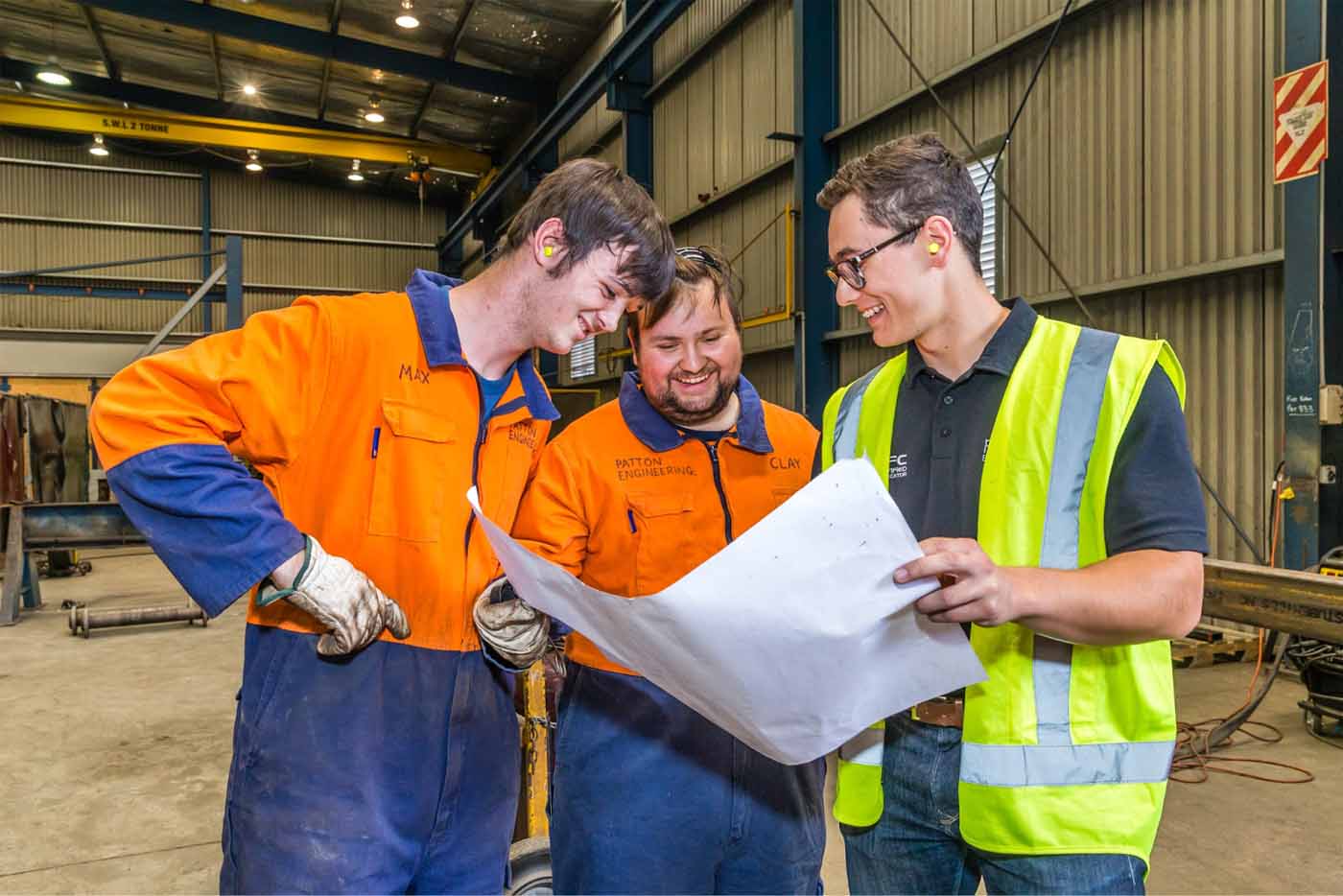
For many tradespeople, progressing beyond the tools means developing advanced technical capability or preparing for supervisory responsibilities. After completing an engineering apprenticeship, some learners choose to continue their development through further formal training that builds on their trade experience.
At ATNZ, this pathway is supported through the Mechanical Engineering (Advanced) Level 5 programme. This programme is designed for qualified tradespeople who want to deepen their technical knowledge, take on greater responsibility in the workplace, or prepare for leadership and supervisory roles within engineering environments.
Examples of specialist pathways include:
This type of progression is particularly relevant for tradespeople working toward roles such as senior technician, leading hand, or supervisor. The Mechanical Engineering (Advanced) Level 5 programme supports this transition by focusing on higher-level problem-solving, systems understanding, and technical leadership skills that go beyond core trade tasks.
ATNZ supports these pathways by providing strong foundations through apprenticeships in areas such as engineering fabrication apprenticeships, where core skills can be developed and refined over time.
As experience grows, many tradespeople move into supervisory or leadership positions. These roles involve overseeing work, supporting teams, and ensuring projects are completed safely and efficiently.
Supervisory pathways can include:
Supervisory roles combine strong technical knowledge with communication, planning, and people-management skills. For tradespeople looking to move into these positions, further training can play an important role. ATNZ’s Mechanical Engineering (Advanced) Level 5 programme is designed to support this progression, helping experienced tradespeople build the advanced capability required for supervisory and leadership roles.
Through regular engagement with Account Managers, ATNZ apprentices are encouraged to develop not only technical skills but also the professional behaviours required for future leadership.
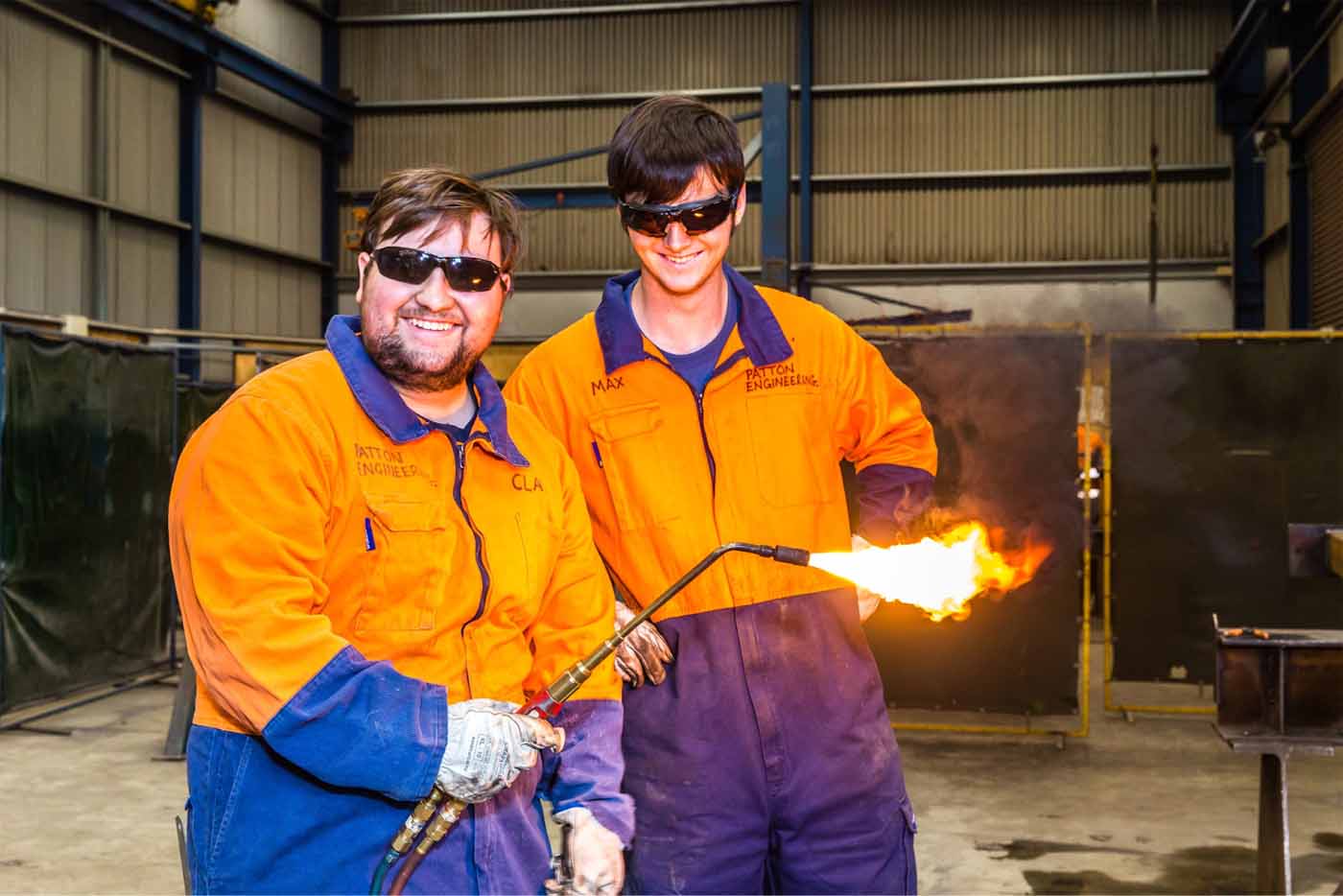
Engineering careers can also progress into broader operational and project-based roles. Some tradespeople transition into positions that involve planning, coordination, and oversight rather than hands-on fabrication or mechanical work.
These roles may include:
Understanding how work flows from planning through to delivery is a valuable asset in these positions. Apprenticeships help build this understanding by exposing learners to real-world workflows and team dynamics.
Employers who train apprentices through ATNZ often value this progression, as it supports long-term workforce development and retention.
Engineering career pathways are rarely linear. People progress at different rates and move into roles that suit their strengths and interests. What remains consistent is the value of a strong foundation.
ATNZ’s apprenticeship programmes focus on:
This approach helps apprentices build confidence and capability that supports career flexibility over time. Learn more about how ATNZ supports engineering training on our apprentice training programmes.
Engineering remains a vital part of New Zealand’s economy, supporting infrastructure, manufacturing, energy, and essential services. Skilled engineers are required across regions and industries, providing long-term employment opportunities.
Engineering career pathways in New Zealand can offer:
For many people, an apprenticeship is the first step in a career that continues to evolve over decades.
At ATNZ, our role is to support apprentices and employers as skills develop and careers progress. By delivering workplace-based training aligned to industry needs, we help build engineering careers that extend well beyond the tools.
If you are completing an engineering apprenticeship and looking to develop advanced technical or supervisory skills, ATNZ can help you understand the pathway into the Mechanical Engineering (Advanced) Level 5 programme. Employers can also speak with us about supporting qualified staff to continue their development through advanced engineering training.
Book a chat with the ATNZ team to discuss apprenticeship pathways.