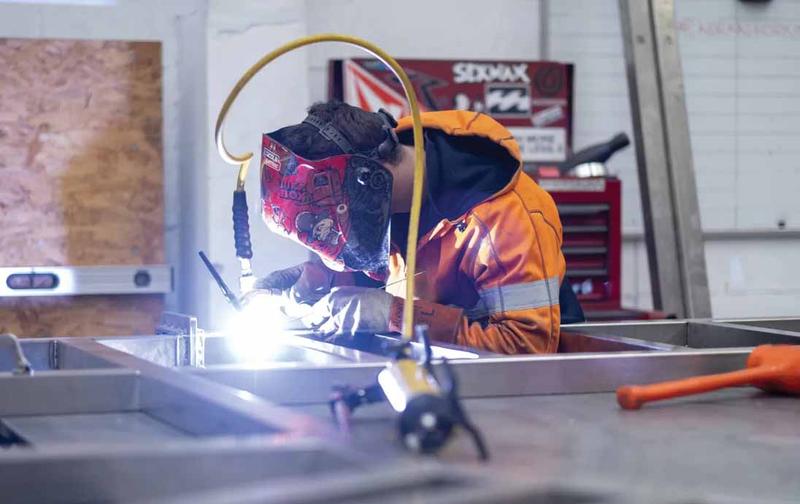
Engineering fabrication plays a vital role in New Zealand’s manufacturing, construction, and infrastructure sectors. From structural steel and plant equipment to custom-engineered components, fabrication apprentices help turn designs into physical, working outcomes. At ATNZ, engineering fabrication apprenticeships are designed to develop skilled tradespeople through structured, workplace-based training that reflects real industry demands.
If you are considering an engineering fabrication apprenticeship or are an employer looking to build capability within your workforce, this guide explains what fabrication apprenticeships involve, where the work happens, and the career opportunities they lead to.
What is an engineering fabrication apprenticeship?
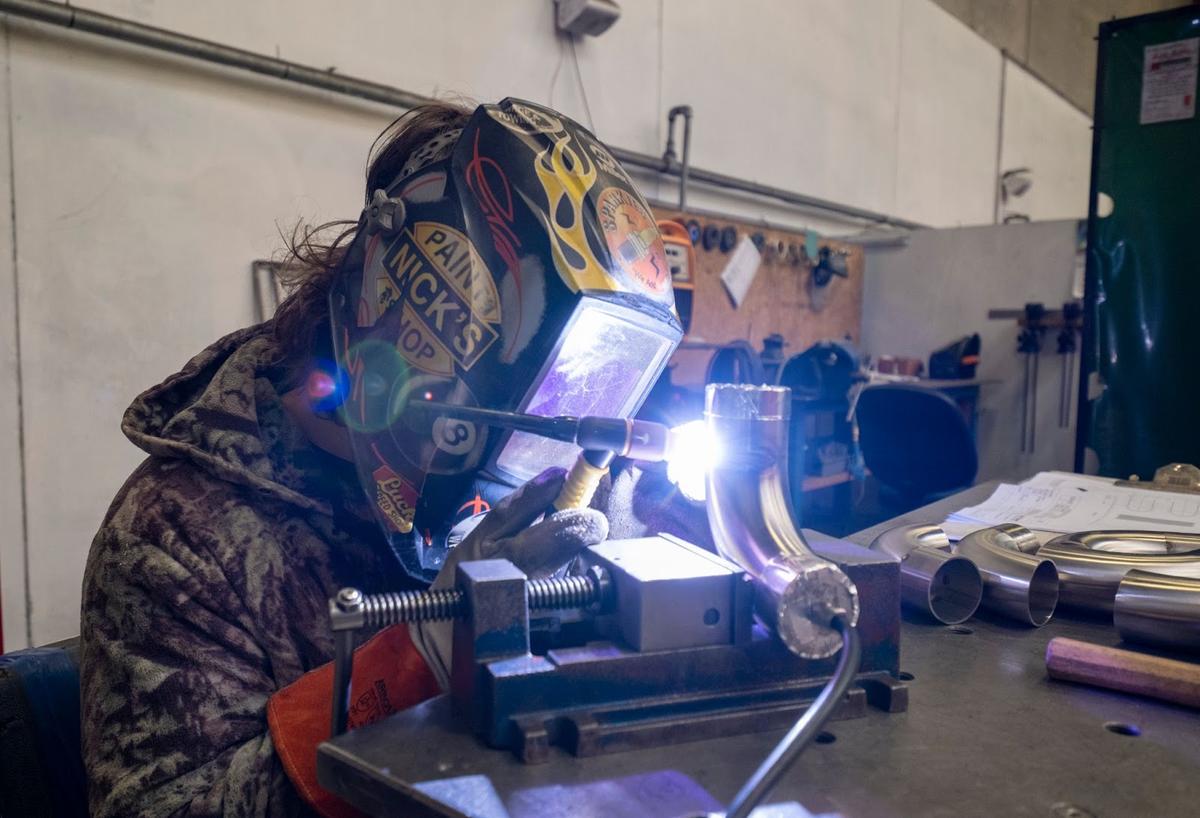
An engineering fabrication apprenticeship is a formal training programme that combines paid, on-job work with structured learning and assessment. Apprentices are employed in fabrication or engineering environments and develop skills by completing real workplace tasks aligned to nationally recognised engineering qualifications.
Apprentices complete their training while working in industry, with ATNZ coordinating the training programme, assessments, and ongoing support. This approach ensures skills are developed in practical settings, rather than in isolation from the workplace.
You can learn more about our pathways for engineering fabrication, which outlines how fabrication training fits within the wider engineering sector.
Core skills developed in fabrication apprenticeships
Engineering fabrication apprenticeships focus on building a broad and transferable skill set. Apprentices learn to work accurately, safely, and efficiently with metal and fabricated components. Key skills typically include:
- Reading and interpreting engineering drawings and job specifications
- Measuring, marking out, cutting, and shaping metal materials
- Assembling fabricated components using mechanical and thermal processes
- Working with structural steel, plate, and fabricated assemblies
- Applying quality control and inspection techniques
- Understanding workplace health and safety requirements
- Communicating effectively within engineering and fabrication teams
As apprentices progress, tasks become more complex and responsibility increases. Skills are developed progressively and assessed through evidence gathered from real work completed on the job.
Fabrication apprenticeships cover a broad range of core engineering skills, including welding and fitting techniques. Welding is an integral part of the engineering fabrication pathway, with apprentices developing these skills as part of their workplace-based training rather than through a separate qualification.
Typical work environments for fabrication apprentices
One of the strengths of an engineering fabrication apprenticeship is exposure to varied work environments. Fabrication apprentices may work in:
- Structural steel fabrication workshops
- Manufacturing and production facilities
- Engineering workshops supporting infrastructure projects
- Heavy fabrication and industrial maintenance settings
- Custom fabrication businesses producing specialised components
Day-to-day work can involve producing handrails, frames, beams, platforms, machine components, or bespoke engineered solutions. Work is practical, hands-on, and often project-based, which appeals to learners who prefer active, problem-solving roles.
Because training is workplace-based, apprentices develop an understanding of real production schedules, quality standards, and team-based work. This experience is highly valued by employers across the engineering sector.
How ATNZ supports fabrication apprentices
ATNZ’s role is to support both apprentices and employers throughout the apprenticeship journey. Each engineering fabrication apprentice is supported by a dedicated Account Manager who provides guidance, monitors progress, and helps keep training on track.
Support includes:
- Coordination of the training programme and assessments
- Regular workplace visits and progress check-ins
- Support with learning plans and evidence requirements
- Guidance for employers on training requirements
- Pastoral care and practical support where needed
This high-support model is a key reason employers choose ATNZ to train their fabrication workforce. You can read more about how our apprenticeship support works.
Career outcomes from engineering fabrication apprenticeships
Completing an engineering fabrication apprenticeship opens the door to a wide range of long-term career opportunities. Fabrication skills are in constant demand across New Zealand, particularly in construction, manufacturing, infrastructure, and industrial maintenance.
Common career outcomes include:
- Qualified engineering fabricator
- Structural steel fabricator
- Workshop supervisor or leading hand
- Site-based fabrication specialist
- Progression into related engineering roles
With experience, some fabricators move into supervisory, estimating, or technical roles within engineering businesses. Others continue developing specialist skills or pursue further engineering qualifications such as Mechanical Engineering (Advanced) Level 5.
Fabrication apprenticeships also provide a strong foundation for long-term employment. Skills developed through structured, workplace-based training are transferable across regions and industries, supporting career stability and growth.
Who is suited to an engineering fabrication apprenticeship?
Engineering fabrication apprenticeships suit people who enjoy practical work, problem-solving, and seeing tangible results from their efforts. Successful fabrication apprentices are typically:
- Comfortable working with tools and machinery
- Able to follow instructions and engineering drawings
- Detail-focused and safety-conscious
- Willing to learn and take feedback
- Interested in long-term trade careers
Fabrication roles often involve teamwork and coordination, so communication and reliability are just as important as any technical skill.
For employers, fabrication apprenticeships provide a structured way to grow skills internally and develop a capable workforce aligned to business needs.
Starting an engineering fabrication apprenticeship with ATNZ
Engineering fabrication apprenticeships are available to people employed in relevant engineering or fabrication roles. Employers work with ATNZ to enroll apprentices and support their training in the workplace.
If you are considering this pathway, or are an employer wanting to upskill your team, ATNZ can help explain the training process and what is involved.
Building skilled fabrication careers
Engineering fabrication apprenticeships are a proven pathway into skilled, in-demand engineering careers. By combining structured training with real workplace experience, apprentices develop practical skills that employers value and rely on.
At ATNZ, our focus is on supporting apprentices and employers through high-quality, workplace-based training that reflects the realities of the engineering industry. Engineering fabrication is a core part of what we do, and we are proud to support the development of skilled fabricators who contribute to New Zealand’s engineering future.