Fabrication engineering pathway
Build, shape, and weld the structures that hold New Zealand together.
Hands-on work turning raw steel into real-world projects across construction sites, manufacturing plants, heavy industry and critical infrastructure.
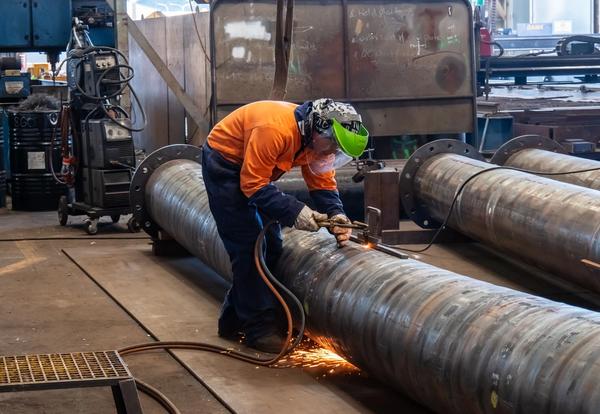
day to day
What you'll do
Cut, shape and weld metal
Work with steel and other metals to build frames, structural components, machinery parts, and custom assemblies safely.
Read and follow engineering drawings
Interpret detailed plans and precise measurements to turn technical designs into safe, accurate & durable structures.
Use fabrication tools and machinery
Operate welding equipment, guillotines, press brakes, rollers, and power tools safely to cut and form materials.
Assemble and install finished projects
Fit and secure fabricated components in workshops or on-site, ensuring strength, alignment, quality & long-term durability.
Where you'll work
Where you'll work
Fabricators work across a wide range of industries and environments.
You might work on bridges, buildings, and large industrial projects in heavy-fabrication workshops, turning steel into structural frameworks and engineered components.
You could join construction, manufacturing, marine, or transport sectors — building custom products, trailers, tanks, and specialised metal structures.
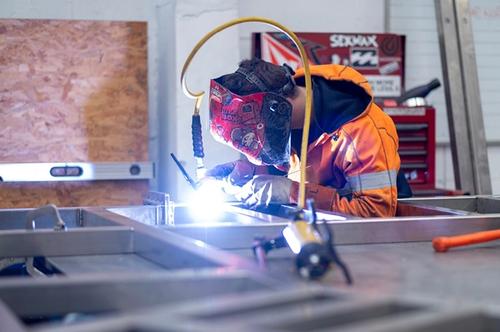
Training Overview
Your training pathway
Earn while you learn in a full-time fabrication engineering role. From day one, you’re paid to build real skills while working towards your New Zealand Certificate in Engineering Fabrication (Trade).
Your training combines hands-on workshop experience, structured learning, and occasional block courses. You’ll also have a dedicated ATNZ Account Manager supporting you throughout your apprenticeship.
Why this trade?
A career with strong demand and real progression
Strong industry demand
Skilled fabricators are in short supply across Aotearoa, creating steady work and long-term security.
Hands-on, practical work
Work with steel, machinery, and specialist tools every day, solving problems and seeing tangible results from your work.
Variety and challenge
No two projects are the same — you’ll face technical challenges, learn constantly, and build highly transferable skills.
Clear career progression
Start as an apprentice, qualify as a tradesperson, and progress into leadership, specialist roles, or ownership.