Fluid power engineering pathway
Control pressure. Power movement.
Install, maintain and service hydraulic and pneumatic systems used in machinery and heavy equipment across construction, manufacturing, transport and industrial environments.
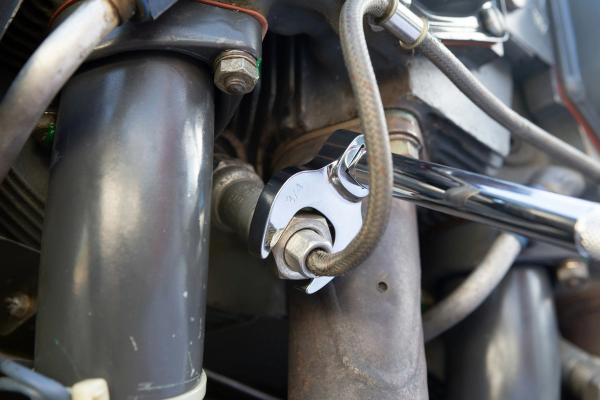
day to day
What you'll do
Install and configure fluid systems
Install hydraulic and pneumatic systems, including pumps, valves, cylinders, and control components to industry standards.
Maintain and troubleshoot equipment
Diagnose faults, service components, and carry out repairs to keep fluid power systems operating safely and efficiently.
Interpret drawings and schematics
Read hydraulic diagrams, technical drawings, and specifications to assemble, install, and commission systems correctly.
Solve practical engineering problems
Apply logical thinking and technical knowledge to identify issues and implement effective fluid power solutions.
Where you'll work
Industries you can work in
Fluid power technicians work in industries that rely on hydraulic and pneumatic systems to power machinery and equipment.
You could work for companies involved in construction and heavy equipment, installing and maintaining hydraulic and pneumatic systems that keep machinery operating safely and efficiently.
Opportunities also exist in manufacturing and automation environments, supporting production lines, robotics, and industrial plant that rely on pressure-controlled systems.
Many technicians work in transport, logistics, and field service teams, maintaining mobile equipment, lifting systems, and hydraulic components that keep businesses running smoothly.
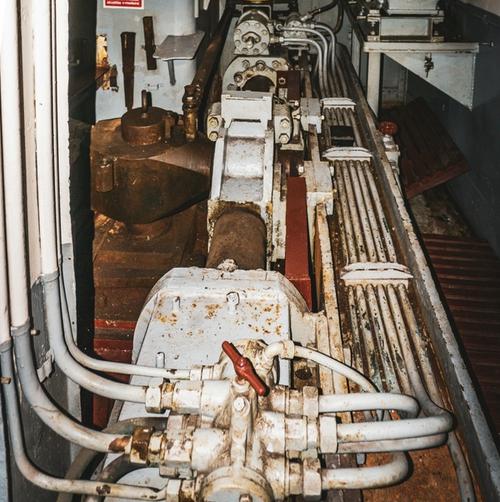
Training Overview
Your training pathway
Start with the New Zealand Certificate in Fluid Power Engineering Fundamentals (Level 3).
This programme builds a strong foundation in hydraulic and pneumatic systems, including components, symbols, basic circuit diagrams, safety, and troubleshooting. You’ll learn to carry out trade calculations, maintain tools and equipment, and perform essential maintenance tasks on fluid power systems.
It prepares you to work under supervision as an entry-level Fluid Power technician, with a clear pathway into Level 4 Mechanical Engineering or further specialist trade qualifications.
Why this trade?
A career with strong demand and real progression
Strong industry demand
Skilled fluid power technicians are in high demand across manufacturing, heavy industry, transport, and construction sectors.
Hands-on, practical work
Work with hydraulic and pneumatic systems every day, installing equipment, diagnosing faults, and keeping machinery running.
Variety and challenge
No two days are the same — you'll solve real engineering problems and work across many types of machinery and equipment.
Clear career progression
Start as a technician, build specialist hydraulic and pneumatic expertise, and progress into senior technical or leadership roles.