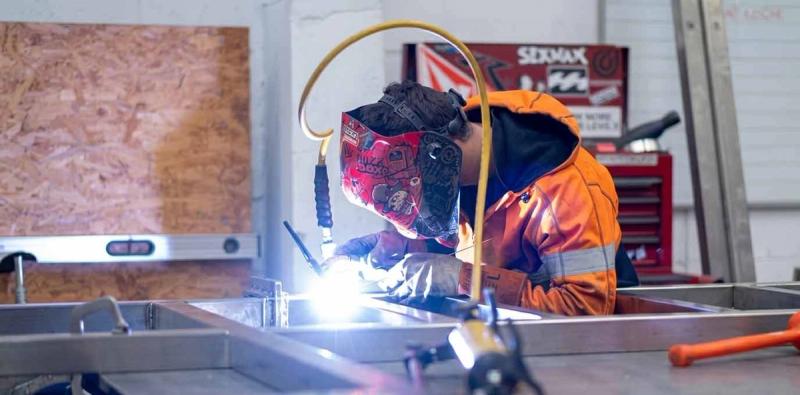
Understanding what fabrication engineering means in a modern New Zealand context is the first step toward choosing the right training path. People often use this term when they are looking for ways to work with steel and other metals, but in industry we talk about engineering fabrication and fabrication apprenticeships. Our role is to make sure the language is clear and the training leads to recognised qualifications.
What is fabrication engineering?
When you see the phrase “fabrication engineering” it usually refers to the practical art of cutting, bending and assembling metal into useful products and structures. The New Zealand Fabrication Engineering (Level 4) has 3 strands, effectively specialisations:
- Heavy fabrication, where tradespeople work with thick plate steel and large structural beams for construction, infrastructure and heavy machinery.
- Light fabrication, where engineers work with thin materials like stainless steel, aluminium and sheet metal for architectural and marine applications.
- Steel construction, where fabricators produce and assemble structural steel components used in buildings, bridges and other large construction projects.
This pathway is delivered through a structured Level 4 apprenticeship rather than a one‑off course. Apprentices earn a wage, learn in the workplace and build competence across a broad range of fabrication techniques. You can explore the details of the fabrication engineering pathway.
How is fabrication different from welding or mechanical engineering?
It is common for new learners to confuse fabrication with welding or general mechanical work. Here are some key differences:
- Fabrication is about shaping and joining materials into a finished product. Apprentices learn to read drawings, measure materials, cut and form steel, and assemble components into large structures. They also weld but as part of a wider skillset.
- Welding focuses on fusing metals together using techniques like MIG, TIG or stick welding. Welding is a core skill within fabrication but can also be a stand‑alone trade. We offer a New Zealand Certificate in Welding Level 3 for tradespeople who want to deepen their welding capability.
- Mechanical engineering is about working with machinery and equipment, installing, maintaining, and troubleshooting systems to keep industry running. You’ll learn hands-on skills in fitting, machining, and fault-finding, while building the confidence to work on real-world equipment.
You’ll usually start with an ATNZ Apprenticeship in Mechanical Engineering, with the option to progress to Mechanical Engineering Level 5 to develop advanced technical skills and move into leadership or supervisory roles.
What does a fabrication apprentice learn?
During a Level 4 fabrication apprenticeship you build both practical and technical skills. In the early stages you learn fundamental techniques under supervision. As your confidence grows you progress to more complex tasks. Typical learning milestones include:
- Measuring and marking out: reading drawings, interpreting workshop plans and selecting materials.
- Cutting and forming: using guillotines, plate rolls, presses and hand tools to cut and bend metal accurately.
- Welding and joining: practising welding processes on a range of materials and thicknesses, then working on live jobs under supervision.
- Assembly and finishing: fitting components, aligning structures, and preparing products for coating or transport.
- Quality control and safety: checking tolerances, following procedures and maintaining a safe workspace.
Apprentices record evidence of tasks completed in the workplace and complete online assessments that contribute the credits required to achieve the qualification. This combination of practical experience, structured learning and assessment helps ensure apprentices build both on-job capability and the knowledge needed for formal completion.
Typical work environments and projects
Fabrication engineers work wherever metal structures are needed. Some of the industries our apprentices experience include:
- Construction and infrastructure: building bridges, large beams, trusses and frames for buildings and transport projects.
- Manufacturing: producing boilers, pressure vessels, tanks and specialised industrial equipment.
- Marine and architectural: fabricating handrails, balustrades, staircases and bespoke items for boats and buildings.
- Heavy industry: working on mining equipment, cranes, structural supports and other large‑scale fabrication projects.
The work is physical and sometimes outdoors. Attention to detail matters because the accuracy of each component affects the integrity of the final structure. That’s why apprentices learn to plan, measure and check their work carefully.
Career Opportunities
Once qualified, fabrication tradespeople have several options. They can remain on the tools and become highly skilled fabricators, earning good wages and working on interesting projects. They can specialise further, for example by gaining additional welding certificates or moving into pipe fitting or pressure vessel work. Experienced tradespeople who enjoy mentoring may progress into leading hand or supervisory roles, where they oversee teams and coordinate work.
There is also a pathway into advanced study. After finishing your Level 4 apprenticeship you can enrol in the Mechanical Engineering (Advanced) Level 5 programme to build higher‑level technical and supervisory skills. This is ideal for people who want to take on planning or management responsibilities while still drawing on their fabrication experience.
How our fabrication pathway fits in
It’s important to know that the recognised route in New Zealand is the engineering fabrication apprenticeship. ATNZ delivers this qualification through structured workplace training with support from qualified tradespeople and a dedicated ATNZ Account Manager. You get paid while you learn and you complete unit standards that lead to a nationally recognised certificate.
We support you at every step. You can start at Level 3 by completing a welding programme or by gaining experience through a gateway programme while still at school. From there you move into the Level 4 apprenticeship where you gain broad fabrication skills. Once qualified you can specialise further or progress into Level 5 study. This clear pathway ensures that you can build a career that suits your strengths and interests.
For more context on what fabrication apprenticeships involve, see our earlier article on “Engineering Fabrication: Skills, Work Environments, and Career Outcomes”. That piece provides a detailed look at the day‑to‑day experience of a fabrication apprentice and the variety of projects they work on.
Ready to start your journey?
If you’re interested in fabrication engineering, take the time to explore the fabrication engineering pathways we offer. They set out the day‑to‑day tasks, career options and entry requirements for both heavy and light fabrication. When you’re ready, book a call through our site and we’ll help you take the first step toward a rewarding trade career.