
Progress through an apprenticeship rarely happens in a single defining moment. It builds gradually as knowledge is applied, practical skills develop, and an apprentice is entrusted with increasingly complex work and greater responsibility.
Over time, these changes can be significant. A learner who once needed close supervision begins to work independently. Problems they once needed help to solve become ones they can work through on their own. Their contribution to the workplace grows alongside their capability.
Because that development happens incrementally, it can also be easy to overlook.
The ATNZ Apprentice of the Year and Rookie of the Year competitions provide a platform to showcase apprentices. The awards recognise learners at different stages of their training yet share the same underlying purpose: to celebrate apprentices who are making the most of their opportunities and developing into increasingly capable tradespeople.
Rookie of the Year is open to apprentices in their first 18 months, when attitude, potential and how they respond to learning opportunities can already distinguish them. Apprentice of the Year recognises those further into their training, with a broader body of technical achievement and workplace experience behind them.
In both competitions, ATNZ looks beyond academic progress alone. Entrants are expected to be progressing well with their training, but the criteria also recognise willingness to learn, practical capability beyond what might normally be expected at that stage, positive workplace contribution and ambition for the future.
Seeing how far someone has come
For ATNZ National Manager Ben Julian, the calibre of recent entries has reinforced the value of recognising development as it happens.
“The standard of entries we've seen over the past few years has been outstanding. We're seeing apprentices do exceptional work, take on more responsibility, and become valuable members of their teams. When you're doing an apprenticeship, you're naturally focused on what you've got to do next. These awards give people a chance to pause and recognise how far they've already come — and hopefully give them the confidence to think about how much further they could go.”
That reflection is built into the entry process. Apprentices are asked to consider their progress, identify their main achievements from the previous year, provide examples of their work, and think about their ambitions for the future.
It creates a picture of development that goes beyond credits and completed assessments. Technical capability matters, but so do growing independence, judgement, initiative, problem-solving, and the ability to contribute more within the workplace.
Recent winners demonstrate how differently those qualities can emerge.
2025 ATNZ Apprentice of the Year Josiah Barlow was recognised for the technical ability, precision and problem-solving he demonstrated through complex machining work at We Can Precision Engineering. Rookie of the Year Harrison Byrne, much earlier in his apprenticeship at Lion, had already distinguished himself through his attitude, reliability, practical capability and willingness to take responsibility and apply feedback.
Their experience and achievements were different. What they shared was evidence of learning translating into growing capability and contribution in the workplace.
The view from the workplace
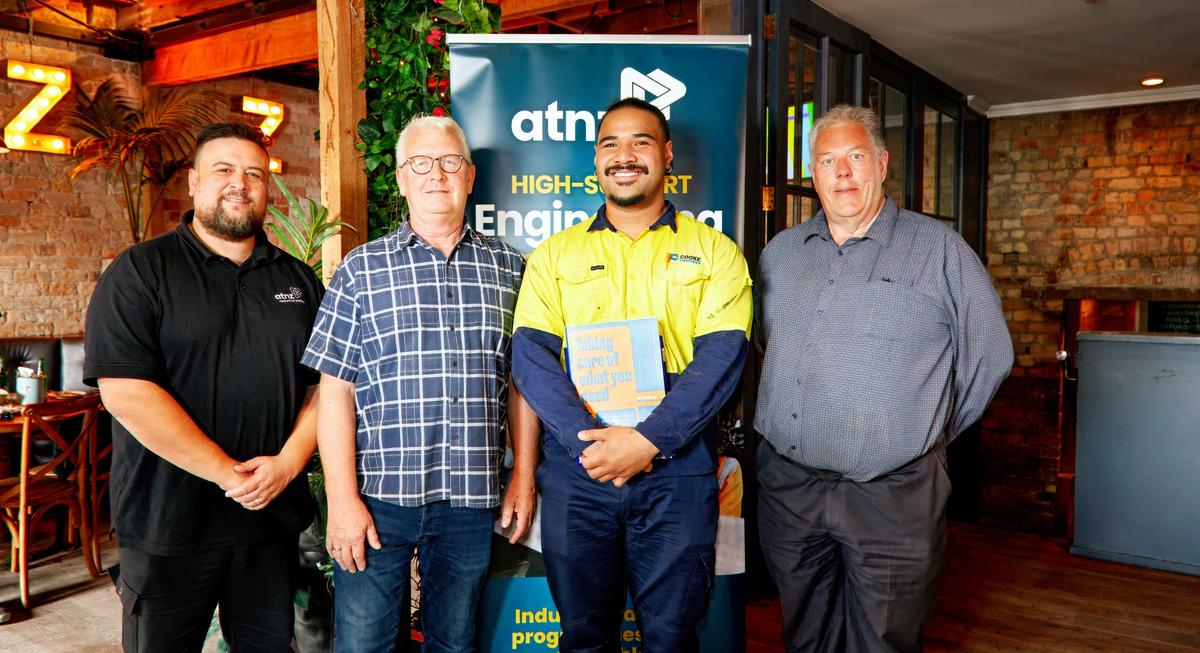
Hosts and employers are particularly well placed to recognise that progress.
They see when an apprentice begins requiring less supervision, when the standard of their work improves or when they start tackling more difficult jobs. They notice the learner who asks good questions, responds to feedback, takes responsibility and is becoming someone the wider team can increasingly rely on.
The apprentice may not see those changes in quite the same way. What feels to them like simply getting better at their job can look very different to someone who remembers where they started.
That is why encouragement from the workplace matters.
Suggesting that an apprentice enter is more than an endorsement of technical ability. It tells them their development has been noticed and that the people they work alongside believe their achievements are worth recognising.
For apprentices earlier in their training, that encouragement can be particularly important. A Rookie of the Year candidate is not expected to be a finished tradesperson. Potential can already be visible in attitude, curiosity, reliability, initiative and the way someone responds when given an opportunity to learn.
Recognition can also create a useful conversation about what comes next. Acknowledging what someone has already achieved can strengthen confidence in their abilities while encouraging them to consider how much further they could develop.
Worth putting forward
The outstanding quality of recent entries sets a high standard. More importantly, it demonstrates the depth of talent developing in workplaces across the ATNZ network.
The entry process gives apprentices an opportunity to showcase that development. Entrants nominate themselves with support from their ATNZ Account Manager, with endorsement from their host or employer, and describe their progress, achievements and ambitions alongside examples of their work.
Ultimately, the competitions will identify regional finalists and national winners. But recognition does not begin when the results are announced.
It begins when someone notices that an apprentice has progressed, stepped up, or achieved something worth recognising, and encourages them to put themselves forward.
For hosts and employers, now is the time to consider whether an apprentice in your workplace deserves recognition for their progress. For learners, it is an opportunity to take stock of how far you have come and to back yourself to enter.