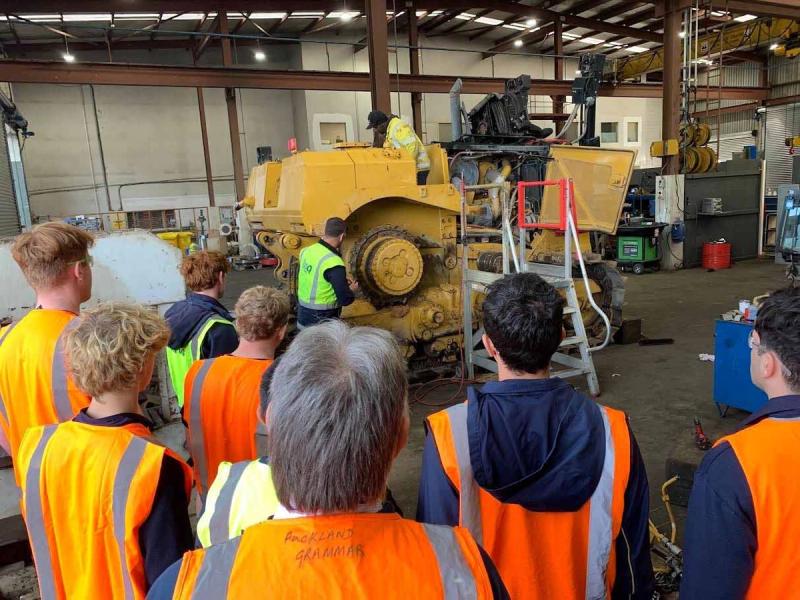
Choosing a career pathway can be difficult when students have had little opportunity to experience what the work is really like. Engineering may sound interesting, but young people and their whānau often need clearer information about the workshop environment, the skills involved, and where the pathway can lead.
Our Metalwork Engineering Gateway programme gives secondary school students a structured introduction to engineering while they are still at school. It combines online learning, practical assessment, recognised unit standards, and workplace exposure, helping students make informed decisions about future training and employment.
What The Metalwork Engineering Gateway Programme Is
The Metalwork Engineering Gateway programme is a structured 10-week programme aligned with NZQA Mechanical Engineering unit standards.
Students can achieve 12 NCEA credits across Level 2 and Level 3 standards while learning about:
- workshop safety and expectations
- tools, materials, and engineering processes
- practical workplace requirements
- potential engineering careers and training pathways
The programme is designed to fit within a school term. It gives students an introduction to engineering that is connected to recognised learning outcomes rather than being limited to a short workplace visit.
How The Programme Works
The programme follows a clear process that connects school-based learning with workplace experience.
1. Students Enrol Through Their School
Schools identify suitable students and coordinate their involvement in the programme. It is generally best suited to young people who are interested in engineering, manufacturing, metalwork, or other technical careers.
2. Students Complete Online Learning
Theory learning is completed online through Canvas. Students work through content aligned with the relevant NZQA unit standards, allowing schools to monitor participation and progress.
3. Schools Arrange Workplace Experience
Schools coordinate local workplace experience with an engineering business. This allows students to see how a workshop operates and gain a realistic understanding of workplace expectations, safety, and day-to-day engineering activity.
4. Students Complete Practical Assessments
Students complete practical tasks and assessments linked to the unit standards. Successful completion contributes credits towards their NCEA achievement.
5. Progress Is Assessed And Reported
Assessment, moderation, and reporting are managed through a structured process, giving schools clear visibility over each student’s progress and achievement.
How Schools Benefit
Delivering Gateway can create extra work for schools if resources, assessment, and reporting are unclear. Our teacher delivery support is designed to make the programme easier to coordinate and manage
Schools receive support with:
- structured teaching and learning resources
- online learning through Canvas
- NZQA-aligned assessment materials
- assessment and moderation
- progress tracking and reporting
- a dedicated ATNZ contact for programme coordination
How Students Benefit
For students, the programme provides a clearer view of engineering before they commit to a job, apprenticeship, or further training.
Students can:
- experience an engineering workplace
- gain NCEA credits
- learn about workshop safety and processes
- develop greater awareness of tools and materials
- understand what employers expect
- test whether an engineering pathway suits their interests and strengths
Supporting Better Career Decisions
Gateway is useful even when a student decides engineering is not the right pathway. The purpose is to provide enough experience and information for students to make a considered decision.
Some students may discover that they enjoy:
- solving practical problems
- working with tools and materials
- following technical processes
- seeing a finished result from their work
- being part of a workshop or project team
Others may decide they would prefer a different career environment. Both outcomes provide useful direction before the student leaves school.
For those who are interested in continuing, the programme creates a stronger base for exploring engineering apprenticeships and other training options.
How Employers Benefit
Employers play an important supporting role in the Gateway programme by giving students first hand experience of the engineering workplace. This helps them understand industry standards, workplace expectations, safety, and professional behaviour.
For employers, Gateway is an opportunity to support local schools while helping build a stronger future workforce. Students who gain early exposure to engineering are better prepared to make informed decisions about apprenticeships and careers in the industry.
Where Metalwork Engineering Gateway Can Lead
After completing the programme, students may choose to:
- apply for an engineering apprenticeship
- explore mechanical engineering or fabrication pathways
- move into an entry-level engineering or manufacturing role
- complete further school-based engineering learning
- continue into other vocational or tertiary training
Find Out More About Metalwork Engineering Gateway
Schools interested in offering the programme can speak with us about delivery, assessment, and teacher support. Students, parents, and whānau can also explore our Metalwork Engineering Gateway programme to understand the credits, learning structure, and possible next steps into engineering.